The Brief Before the Object: How High-End Customization Turns Intention Into a Finished Piece
The most considered custom pieces do not begin with endless options. They begin with a precise brief—then move through a disciplined conversation between personal intent, design integrity, material quality, digital intelligence, and human craft.
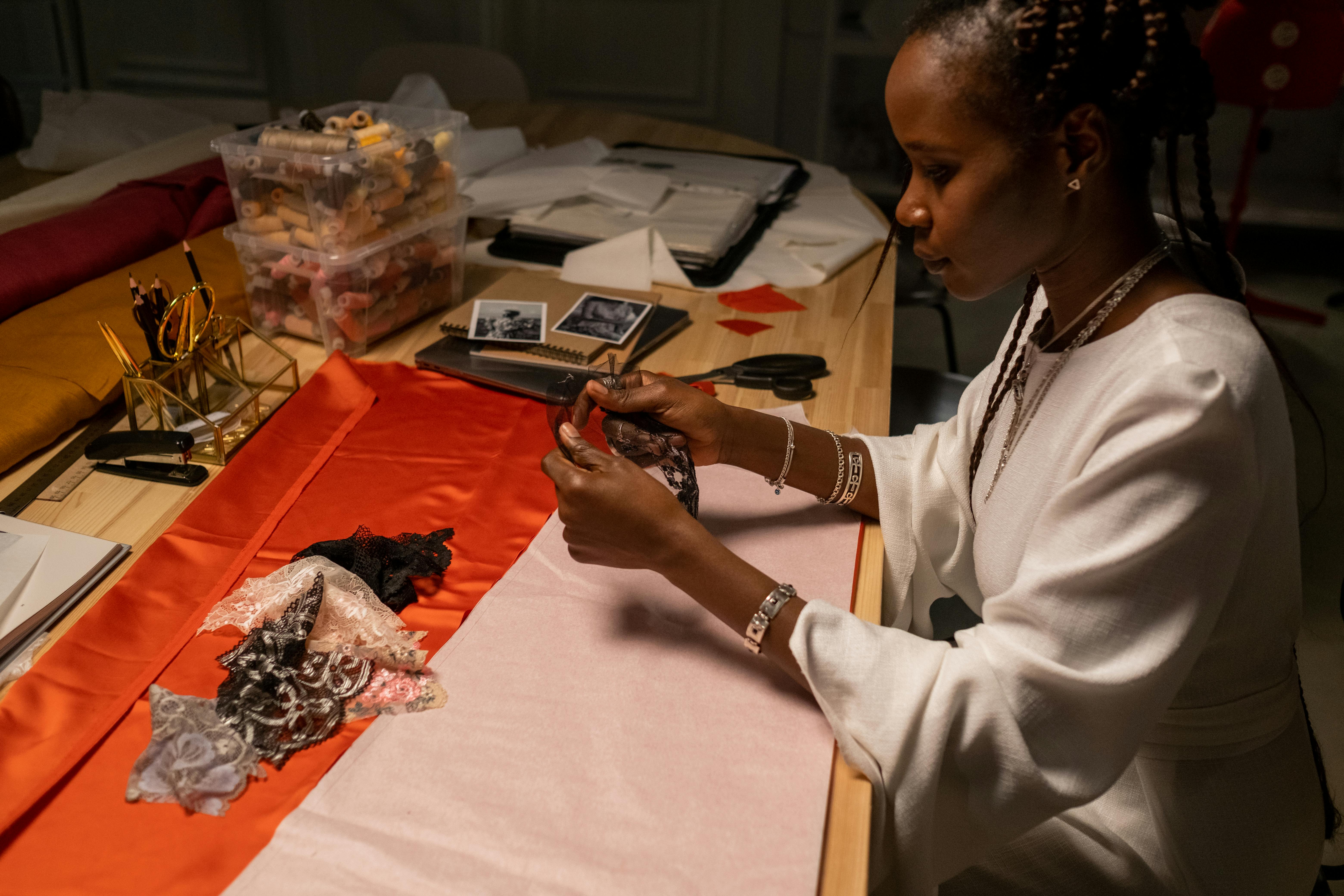
A custom piece begins before the first material is chosen
In luxury, the word *custom* can suggest limitless choice. Yet the finest outcomes rarely come from adding more options. They begin with a more exact question: what should this piece express, and what must it remain?
High-End Customization is therefore not simply the act of changing a product. It is the careful translation of personal intent into a finished object - one that feels unmistakably individual without losing proportion, coherence, or quality. In this sense, the brief comes before the object. It gives the project a point of view.
Across luxury fashion, customization is increasingly understood as a collaboration between client expression and specialist judgment. The process may include consultation, curated design parameters, digital prototypes, material selection, approval, and production, while preserving the identity of the original design language. The value is not unlimited freedom. It is meaningful freedom, guided well.
From preference to specification
A client may begin with a feeling rather than a technical instruction: something quieter, more architectural, more tactile, or more personal. A Haute Couture Coordinator's role is to help turn that instinct into a specification that can be discussed, tested, refined, and delivered.
That translation requires attention to the whole system around a piece. Colour is considered alongside texture. A monogram is considered alongside scale and placement. A material choice is considered alongside durability, maintenance, and the character of the original design. Digital tools can help make possibilities visible through structured selections and visual prototypes, but the purpose of technology is not to replace discernment. It is to make the conversation more precise.
The result is a process with fewer accidental decisions. Each element has a reason to be there, and each omission can be equally intentional.
Why coordination is part of the luxury
The visible result may be a single object, but its creation can depend on several kinds of expertise: design interpretation, material knowledge, production planning, quality review, logistics, and aftercare. High-end customization becomes more dependable when these threads are coordinated rather than left to the client to manage alone.
This principle can be seen beyond fashion. A profile of Tennessee's Elite Customs describes customization as a full-service process involving interiors, body modifications, audio, lighting, client input, realistic timelines, and a network of specialist relationships. In Miami, Limited Spec Automotive presents customized Mansory vehicles through a combination of performance, materials, design, technology, consultation, and support after the sale.
The sectors differ, but the underlying lesson is consistent: a premium result depends on the quality of the system that carries an idea into reality.
For the client, coordination reduces the distance between intention and execution. It also protects attention - the rarest resource in any bespoke engagement. Leading concierge models make a similar promise by bringing together individualized planning, exclusive access, and bespoke end-to-end support.
The role of intelligent operations
Positioned within VERTU's intelligent operations and AI enablement perspective, High-End Customization is best understood as an intelligent service layer around the act of making something personal. It can support the early interpretation of a brief, the organization of preferences, the comparison of possible directions, and the continuity of decisions as a project develops.
The standard remains human. A considered recommendation must account for context, taste, material character, practical use, and the integrity of the finished piece. Digital intelligence is valuable because it can help retain the detail of that context, not because it can flatten judgment into a menu.
This distinction matters. Luxury clients are not necessarily seeking the most elaborate outcome. They are seeking an outcome that feels exact: a piece with a clear relationship to who they are, how they live, and what they wish to carry forward.
A disciplined path from intention to object
A high-end customization journey can be described as a sequence of conversations rather than a catalogue of choices. First, the client's intent is clarified: the emotion, function, reference, or personal story behind the request. Next, that intent is translated into a concise design direction. Options are then curated, not merely accumulated, and their consequences are made visible.
Before production, the proposed piece should be reviewed as a whole. Does the intervention strengthen the design? Does the material support the intended use? Does the personal mark remain elegant over time? Are the timeline and dependencies understood? Only after these questions have been considered should the project move toward final approval and making.
This pace is not an inconvenience. In well-executed customization, time is one of the tools of quality. Rushing can conceal inconsistencies, while a clear review stage creates room for proportion, finish, and purpose to align.
| Stage | The client's question | The coordinator's responsibility |
|---|---|---|
| Intent | What should this piece say or enable? | Clarify the personal brief and its priorities. |
| Direction | Which design language feels true? | Translate instinct into a coherent point of view. |
| Curation | Which choices improve the whole? | Present considered options and explain trade-offs. |
| Validation | Will the idea work in material and use? | Review feasibility, quality, timing, and integrity. |
| Making | How does the brief become tangible? | Maintain continuity from approval through delivery and care. |
The finished piece should feel inevitable
The highest form of personalization is not spectacle. It is recognition: the sense that the finished piece could belong to no one else, yet that every detail has been resolved with restraint.
That is the standard behind VERTU's High-End Customization service. For clients seeking unique pieces of uncompromising quality and personal expression, the ambition is not to make something different for its own sake. It is to make something more exact - an object in which individual character, considered design, and dependable execution meet.
The work begins with a brief. It ends when the brief no longer feels like an instruction, but like a natural part of the object itself.