The Architecture of a One-of-One: Why High-End Customization Requires an Operations Mindset
The most credible form of luxury customization is not defined by the number of options available, but by the intelligence that connects intention, material, execution, and continuity. VERTU’s High-End Customization service approaches the one-of-one as a coordinated experience.
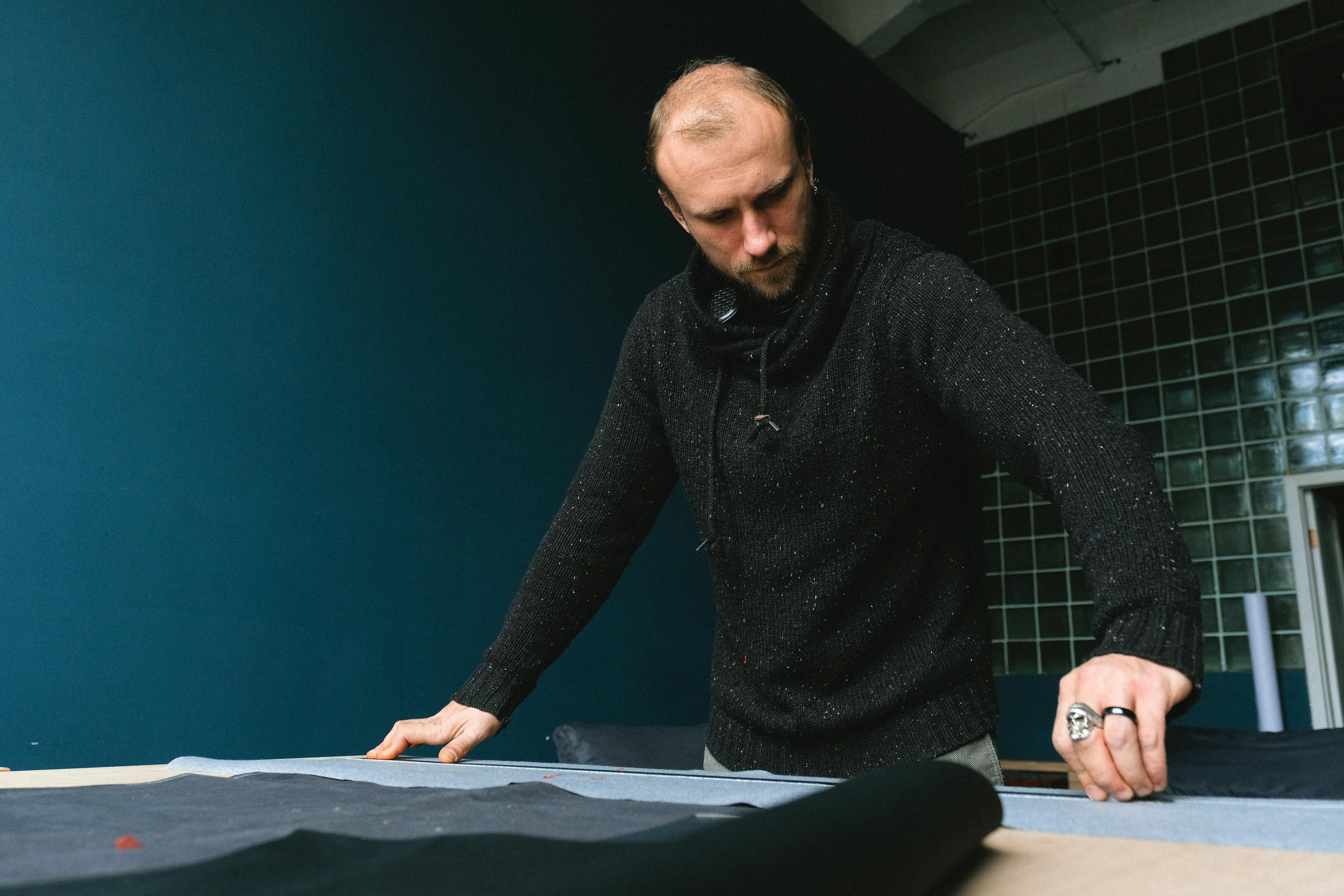
A truly personal luxury piece does not begin with a catalogue of options. It begins with interpretation. Before a material is selected, a finish approved, or a detail commissioned, there is a more consequential question: what should the finished object express that an off-the-shelf product cannot?
This is where high-end customization is moving beyond simple choice. For discerning clients, the value is no longer limited to rarity or visual distinction. It lies in the disciplined translation of personal intent into an object of uncompromising quality - one that feels considered rather than merely modified.
From preference to a precise brief
The first responsibility of a customization service is to turn an instinct into a brief. A client may arrive with a colour, a texture, a memory, a cultural reference, or an idea that is difficult to articulate. The role of a Haute Couture Coordinator is to listen for the underlying direction, distinguish the essential from the decorative, and establish a coherent creative language.
That process demands restraint. Personal expression becomes stronger when every decision belongs to the same point of view. The right question is not how many elements can be changed, but which elements deserve to change - and why.
Public examples from adjacent luxury sectors demonstrate the importance of this interpretive stage. In a profile of Tennessee-based Elite Customs, a bespoke vehicle project was developed around a client's personality and music, with deliberate attention to colour stories, textures, and engraving. The project illustrates a principle that applies across categories: the most memorable customization is often the result of an idea being carried consistently through many small decisions.
Craftsmanship is a system, not a finishing touch
Luxury customization is sometimes presented as a final layer applied to an existing product. In practice, the quality of the result depends on coordination long before the final inspection. Materials must work together. Proportions must remain credible. Function must not be sacrificed to spectacle. The original character of the object must be understood before it is reinterpreted.
Limited Spec Automotive's presentation of Mansory-customized vehicles similarly connects exclusivity with precision craftsmanship, premium materials, technology, expert consultation, and support after purchase. Its language points to a wider truth: customization has value when the creative ambition is supported by a controlled process.
For a high-end client, this process should feel calm and intelligible. Decisions should be recorded, alternatives compared, dependencies made visible, and quality standards maintained from the first conversation to the completed piece. The client should not have to become the project manager of their own commission.
Why intelligence belongs behind the experience
The visible object may be singular, but the operation behind it must be structured. A modern high-end customization service therefore benefits from intelligent operations: clear briefing, organized references, precise decision tracking, discreet communication, and reliable continuity across specialists, suppliers, makers, and delivery teams.
At vertuvarious.life, High-End Customization is positioned as a VERTU intelligent operations and AI enablement service for clients seeking unique pieces of uncompromising quality and personal expression. In this context, intelligence is not a substitute for taste or craftsmanship. It is the supporting discipline that helps a personal vision remain coherent as it moves from an initial conversation to a finished commission.
The distinction matters. Technology should reduce friction without making the experience feel automated. It should help surface relevant possibilities, preserve the logic of the brief, and protect the client's time. The human relationship remains central: an experienced coordinator must know when to propose, when to edit, and when to leave space for the client's own judgement.
The quiet discipline of editing
The strongest one-of-one pieces are rarely the most crowded. They are edited. Their distinctiveness comes from the relationship between details rather than from the accumulation of them. A rare material may be meaningful because it recalls a place. A subtle engraving may matter because it encodes a private reference. A restrained contrast may give the entire object its presence.
This is why high-end customization should be approached as a form of creative governance. Each decision should answer to the whole. The coordinator protects that whole by keeping the project aligned with the client's intention, the object's integrity, and the standard of execution expected at the luxury level.
From finished piece to lasting relationship
Delivery is not the end of the experience. A considered customization service also accounts for documentation, care, future reference, and the continuity of the client relationship. The more personal the object, the more important its provenance and context become.
A well-managed commission leaves the client with more than a unique piece. It leaves a clear record of why it was made, how its choices belong together, and how its quality can be preserved. That is the difference between a one-time alteration and a lasting expression of identity.
The new standard for personal luxury
High-end customization is entering a more mature phase. The market is not simply asking for more personalization; it is asking for better interpretation, more dependable execution, and less visible friction. The future belongs to services that can combine creative sensitivity with operational intelligence.
For VERTU, the opportunity is to treat the one-of-one not as an isolated product category, but as a coordinated service experience. The result should be rare without being ostentatious, technologically enabled without feeling mechanical, and unmistakably personal without compromising the discipline of luxury.
A unique piece is ultimately a statement of judgement. The role of a Haute Couture Coordinator is to ensure that every part of that statement speaks with clarity.